#53: Real Estate Investment Funds Explained
Discover how real estate investment funds offer a diversified real estate investment fund can generate passive income real estate opportunities through stable, monthly cash flow and reduced risk.


Real Estate Investment Funds Explained
Diversify smarter: stable, passive income through commercial real estate funds.
Commercial real estate doesn’t have to be complicated. In this episode, Zane Schartz of Freedom Commercial Real Estate breaks down how diversified net-lease funds can generate stable monthly cash flow while minimizing risk. Whether you’re reallocating capital or expanding your portfolio, you’ll learn a proven, values-driven approach to commercial real estate investing designed to create predictable returns and long-term wealth.
Takeaways
- Why diversification matters: Spread risk across 10–20 properties, tenants, and locations.
- Investment-grade tenants: Learn why tenants like Starbucks, Verizon, and -----Dollar General provide stability and predictable returns.
- Passive income model: How net-lease structures deliver consistent monthly distributions for investors.
- Deal evaluation secrets: Zane screens 200+ deals weekly—discover his top criteria for selecting low-risk assets.
- 3–5-year exit horizon: Understand timelines, market dynamics, and how fixed-rate debt supports cash flow through market cycles.
- Values-driven investing: Integrity and faith as cornerstones of long-term investor relationships and trust.
- Real-world results: With a 50% reinvestment rate, Freedom’s track record keeps investors coming back.
Chapters
00:00 – Welcome and introductions
00:47 – Zane’s mission: financial freedom through passive cash flow and values-driven investing
03:55 – From private equity to entrepreneurship: Zane’s journey into commercial real estate
06:07 – Introducing the Freedom CRE Fund: structure, diversification, and target tenants
08:30 – How 200+ deals are evaluated weekly for stability and repurposability
12:18 – Why the Sunbelt market and institutional tenants’ matter for portfolio growth
13:58 – Blind pool funds explained: how they work and what investors should know
17:08 – The 3–5-year investment horizon and timing exits based on market conditions
19:51 – Zane’s personal story: from pro hockey to managing hundreds of millions in CRE assets
27:27 – Long-term vision: using real estate to create lasting global impact
31:54 – Minimums, logistics, and how to get started with the Freedom CRE Fund
34:20 – Closing thoughts and next steps for potential investors
Credits
Sponsored by Real Advisers Capital, Austin, Texas
If you are interested in being a guest, please email us at info@AltInvestingMadeEasy.com
Disclaimers
“This production is for educational purposes only and is not intended as investment or legal advice.”
“The hosts of this podcast practice law with the law firm, Ferguson Braswell Fraser Kubasta PC; however, the views expressed on this podcast are solely those of the hosts and their guests, and not those of Ferguson Braswell Fraser Kubasta PC.”
© 2025 AltInvestingMadeEasy.com LLC All rights reserved
Sarah Florer (00:01.2)
And let's see, all right. Welcome everyone to Alt Investing Made Easy. Today we're pleased to present to you our friend here, Zane Schartz and his Freedom CRE fund. Zane, welcome.
Zane Schartz (00:20.718)
Thanks for having me. Excited to chat.
Sarah Florer (00:23.472)
likewise.
Roland Wiederaenders (00:23.679)
Hey Zane, it's great to have you here and thank you so much. as you said, Sarah, Zane, today we're going to talk about a new fund under the Freedom name, the Freedom CRE fund, but your company originally is Freedom Commercial Real Estate. Maybe let's start there and tell us a little bit about your focus in Freedom Commercial Real Estate.
Zane Schartz (00:47.66)
Yeah, so Freedom Commercial Real Estate really has two primary reasons behind the name. The first one is we want to help investors on their journey towards financial freedom. And the way we're doing that is through buying cash flow.
cash flowing assets in the real estate space. So everything we buy cash flows from day one and we're very big on monthly distributions because we think cash flow is really what pays the monthly bills and what helps you build financial freedom in the long run. So financial freedom is number one and then number two is freedom through Christ. My faith is really important to me and you know I want people to know that that's number one thing in my life and I think that true joy comes through freedom in Christ. So we want to help people kind of holistically.
on their financial journey and also their life journey if that's something that they're interested in. So a big thing for us is passive cash flow and just being a trustworthy group that runs things with integrity and high ethics.
Roland Wiederaenders (01:51.499)
Yeah, for sure. I mean, I can relate to that personally. you know, we try to stay sort of apolitical and, you know, not promoting any religion particularly, but at the same time, we're all human beings and we all come to the table with our own particular set of beliefs. And I think that, you know, if you're being that definite about
you know, that to the fore, then I think it creates a heightened level of responsibility for you, honestly, because you're saying, hey, I adhere to these standards that, you know, you can measure me by, and a lot of people just sort of make up rules for themselves. So I think that that could be a really powerful statement. And then also, too, you're immediately differentiating yourself. If anybody's going to be offended by that, then...
They know, hey, this is what Zane's about and I don't want to invest with that. So I think that's a good way, a good thing for us to do is be definite about what it is that we're doing. And I think from an investor standpoint, that more concrete that you can give them idea about what they're investing in the better really.
Zane Schartz (03:13.73)
Yeah, exactly. think, you know, a lot of things that investors say is they're more interested in the jockey than the horse. you know, regardless of what you believe, somebody who adheres to some sort of religion is probably going to, and especially if they're outspoken about it, is probably going to try to do things differently. That's not always the case, but, you know, like you said, it could lead to that. So it's something that's very important to me. And I am...
I try to be bold with that.
Sarah Florer (03:45.05)
So Zane, tell us about your other experiences because we were just talking and you said that this is really your fifth fund or you're currently maybe even your fifth fund that you and your team are involved in managing. So let's hear a bit more about what got you into commercial real estate and fund management.
Zane Schartz (03:55.758)
Yeah.
Zane Schartz (04:04.046)
Yeah, so I've been in the real estate world for over nine years now. I worked throughout college. I did some internships for a development firm in Dallas. I did internships for a brokerage firm and then for a private equity group. I ended up working for that private equity group for six years and we had a lot of growth at that company. We grew from $100 million of assets to over $700 million. I was actually the third employee there and we grew to over 20 by the time I left and it was really
fun being a part of that growth. was chief investment officer there and kind of second in command on a lot of stuff and it was just really awesome and I really enjoyed my time there. But kind of towards the end there were just some things that I was like, hey, maybe it's time to go start my own thing and took a step and started Freedom Commercial Real Estate in that time.
Sarah Florer (04:35.184)
Hmm.
Zane Schartz (04:54.102)
We've had some good success and a lot of those investors from that old group followed me to Freedom. And that's been a huge blessing and we've gained a lot of their trust. And I've gained a lot of their trust from the six years of that prior company and from the few years with Freedom. So the growth has been great and it's actually been exponential really over the past year.
Sarah Florer (05:03.866)
Hmm.
Zane Schartz (05:17.984)
started marketing for the first time and that's gone a long way. But yeah, so we just try to be consistent and I think I have a pretty good track record of...
delivering on what I say and hitting the metrics and being somebody who runs things with high levels of integrity. But there's more to investing than high levels of integrity you have to perform. It's a money business at the end of it. And we've performed. And that's why investors have come back for more.
know, everything we buy is, we're buying the best of the best assets and the best of the best tenants. And not sure if, I think Roland was maybe going to ask me about this, but I'll go into the Freedom CRE fund and kind of what we're doing, but we're currently raising, yeah, we're currently raising for our...
Sarah Florer (06:02.894)
Yeah, that would be great.
Zane Schartz (06:07.222)
Our fifth fund called the Freedom CRE fund and it's a fund that investors come into and they get ownership across all the properties in the fund, typically 10 to 20 assets in a fund. So they're diversified across different industries, different tenants, different lease terms, different geographic locations. So very diversified and the more you diversify the lower your risk is. And the only tenants we work with are multi-billion dollar publicly traded companies with investment grade credit ratings like Starbucks, Dollar General, AutoZone, Sherwood.
and Williams, Verizon corporate. So these are some of the tenants we work with. So essentially, we own the buildings and some of the largest companies in the world are paying our rent. So it really lowers risk for investors in terms of collections and variabilities. We're not doing heavy lift value add multifamily plays. We're not doing developments with a ton of uncontrolled variables. Everything we buy is a stabilized in place lease backed by the largest companies in the world.
you get ownership across 15 different properties. it's just a great way to create consistent, stable monthly cash flow to investors and that's why investors have.
come back for more over and over again. We have over 50 % reinvest rate through our investors. So that means they've invested with us once and they're happy enough to reinvest again. So we're very proud of that and happy that we can create something that investors have liked so far. So I love what I do. I could talk about this for hours and very passionate about it.
Sarah Florer (07:36.816)
That's why we're here.
Roland Wiederaenders (07:37.897)
No, it's great. Yeah, for sure. And you said 20 to 50 assets is what you're focusing on for the CRE fund? 10 to 20?
Zane Schartz (07:45.308)
Uh, 10 to 20, uh, in this fund. we currently have 11 and we have, uh, two under contract to close in the next 45 days and another one under LOI. So we'll have 15 in the next two to three months, probably.
Roland Wiederaenders (07:59.82)
You know, sir, I was thinking about this, you know, how there's the old adage about how you have to kiss a of frogs before you discover the prince. And that may be interesting for our audience to hear, Zane, is your underwriting process and, you know, just not every opportunity is a good opportunity. How do you sort of differentiate between, you know...
Sarah Florer (08:21.583)
Mm-hmm.
Roland Wiederaenders (08:25.747)
mediocre to good and a great one that you want to put into the fund.
Zane Schartz (08:30.231)
Yeah, I mean, my deal flow is pretty crazy. I probably get a hundred to two hundred deals a week that cross my desk, essentially. We have a good analyst who I work with, but the deal flow is crazy. It's typically closer to two hundred, honestly. And it's like finding a needle in a haystack or kissing a lot of frogs to find the prints. really, I think the experience that I've learned over the past, you know.
eight to nine years of doing this now has been like what to look for. A big thing we look for is kind of when we own these assets.
we own a box and our hope is that the current tenant stays. But the worst case scenario is if a tenant leaves. So repurpose ability is a big thing we look for. And there's a lot that goes into that. Like what are the traffic counts? What are the rent per square foot? What's the replacement cost? How many times has a tenant renewed their lease? Has the tenant committed, you know, CAPEX improvements through TI? You know, have they taken rent reductions on their past renewal options? So there's a lot of things I go into.
Sarah Florer (09:25.518)
Hmm.
Zane Schartz (09:32.706)
That's just a few of them. But for us, like the number one threshold is, is it an investment grade tenant? The second threshold is what's the cap rate and is it going to yield what we want? And then the third is, you know, how is the land and dirt underneath the asset? Like what's the value of the land and what is kind of the repurposability? So that's kind of our.
metric of the flow of when I get a deal so I can you know sift through deals pretty quickly like I said 200 come through but probably a hundred of them like I spend three seconds looking at just being like you know it's not a tenant that we would want or the cap rates too low and it's just like on to the next so you kind of got to be that fast when you have that much deal flow but another thing too that over the years has
Sarah Florer (09:56.752)
Hmm.
Sarah Florer (10:13.976)
Yeah.
Zane Schartz (10:20.013)
become very beneficial as relationships. Like I have very good tenant relationships where I can reach out to a tenant prior to an acquisition and be like, Hey, Bob over at Dollar General, like how's this store performing? Like what's, is it a good one for y'all? And they'll give you like a soft, like, yeah, it's good. Like keep it or like, you know, look to buy it or yeah, it's not doing that good. So that's, that's really good as tenant relationships. And you're even able to maximize return potential on investors. If you can buy a short-term lease from
Sarah Florer (10:32.962)
Hmm.
Zane Schartz (10:49.937)
maybe an inexperienced landlord and negotiate an early lease extension with the tenant and you can create a ton of value on these through stuff like that.
Sarah Florer (10:58.574)
Hmm. Now I'd imagine from the point of view of a big corporate that it's a relief to them when they have people, their landlords that they can deal with easily. I mean, I think, you know, for the general public to think about just the sheer number of landlords that Starbucks deals with globally, you can see why the more that they have reliable parties to go to, that's a big plus. So if you've developed a reputation with such tenants, it's a lot to commend.
Zane Schartz (11:27.215)
Yeah, and like it just carries weight too. So we manage over 70 properties now and you know, I think we own 15 plus Dollar General. So if we go to Dollar General and we say, hey, like we own 15 of y'all.
Sarah Florer (11:32.688)
Mm-hmm.
Zane Schartz (11:41.2)
15 of y'all's properties, like can we work on a negotiation here or, you even if you say, hey, we have 70 of these, like it just carries weight with them because most of the other operators are typically, you know, maybe a doctor or an attorney who just owns, you know, one dollar general in small town Texas. And it's like, they're just buying it as kind of a coupon. But for us, like it's definitely, there's weight behind what we do and negotiation tactics you can use with economies of scale. So it's, it's, very beneficial.
Sarah Florer (11:48.206)
Yeah.
Sarah Florer (11:57.327)
Mm-hmm.
Zane Schartz (12:11.213)
for
Roland Wiederaenders (12:12.735)
And you're here in Texas. talked a little bit beforehand. You're in Dallas.
Zane Schartz (12:18.391)
Yep. So I'm in Dallas and we buy all over the country. So we're in 20, over 20 states right now and primarily in the Sunbelt.
And, know, we love Texas, Florida, the Carolinas, Georgia, because really our exit strategy is to roll up and sell to a REIT or private equity group or institutional buyer. So where are they going to want to be and how do we reverse engineer that if we know that they're going to want Sunbelt properties and high credit tenants with long-term leases, that's what we're going to buy and we're going to build that for them. Or we're going to buy short-term leases and with the expectation that we extend them to create the value and then roll it up and package it.
Sarah Florer (12:37.168)
Hmm.
Zane Schartz (12:58.097)
to them on a pretty platter and sell it to them and go rinse and repeat. So we're basically doing all the hard work for them on kind of a smaller scale, but when you combine a bunch of small fish onto a big platter, it might create a big enough fish for them to want to buy it.
Sarah Florer (13:11.674)
Hmm. Hmm. That's interesting.
Roland Wiederaenders (13:14.059)
Well, Sarah, you where my mind was going is just thinking about, you know, getting into the specifics so that people could learn about what it means to invest in a fund like this, because you've got a target, right, Zane, of 20 properties, but you've only, you've bought 11 already. So if I'm an investor coming in, I guess you have an open investment period and then a period during which you're going to be deploying capital and then a horizon for
harvest and potentially selling out the portfolio like you were just saying. So I think it would be interesting for people to hear that, you know, if you want to invest in a fund like this, this is the, these are the terms, these are sort of representative terms that you're going to get.
Zane Schartz (13:58.65)
Yeah.
So I think like a really good thing to mention, a lot of investors don't really fully understand this, is when you buy into a fund, you are getting the diversification of a fund. So you're not buying one apartment complex in Dallas, Texas, where you know, hey, this is the 200 unit apartment complex. This is where my money's going. I know exactly the asset. I know exactly the game plan. I know exactly like what their projections are and what their game plan is. You may fall short of that or you may exceed them, but it's easier to kind of paint that picture.
is what we're painting. For us, we do a blind pool raise, meaning, we have a set box, a set criteria where we say we are looking for, we're looking for, and we're projecting to buy, you know, these tenants, investment grade tenants like Dollar General, Starbucks, Kroger, Walmart.
Sherwin-Williams, those types of tenants in these regions, but we don't know what's going to be on the market. We don't know if there's not going to be any Starbucks on the market over the next six months, if there's not going to be any Sherwin-Williams that fit our yield criteria. There's a lot that goes into it. When I'm looking at 200 deals a week, there's maybe only one or two that might even fit our buy box and we make offers on them and we may not get them. So that's the first thing is it's a blind pool and you don't know exactly the properties you're getting, but you know kind of the box that they're
going to fit in and the kind of the impetus of who is in control of it relies on us at Freedom and you're trusting our experience essentially. And then
Zane Schartz (15:31.569)
from a timing standpoint, you said, we're buying 20 properties. So that's another thing, that's a projection, kind of anywhere from 10 to 20 properties, it's a blind pool raise. So if we raise $0, we'll buy zero properties. If we raise enough properties to buy one asset, we'll have one in it. Kind of our expectation is that we have 10 to 20, I think we'll kind of be in the 14 to 16 range, because we are closing the fund in the next few months before the end of 2025. But yeah, so there's just a lot of, with a fund,
a lot of like ambiguity for lack of better terms but if you're if you're a good investor you should read the PPM and know what the limitations are and what that quote-unquote buy box is for them and really you got to put trust into the operator so doing your due diligence into the operator looking at their track record and experience is a big thing but
on any of these deals, it's projections. You could even go to buy a single unit multifamily property of 200 units and they could say, hey, you know, we're looking to buy this for $20 million and we think we're going to get a 70 % loan. you know, with this, our returns are going to be XYZ, but they might not get a 70 % loan. They might only get a 65 % loan and you've already funded your investment or, you know, there's just a lot that can happen.
syndication or whatever you want to call it, the multifamily or real estate private equity space. Like there's just a lot of things that happen, but hopefully that answers your question. Long-winded answer. Yeah. So cool.
Sarah Florer (16:59.886)
That's a great answer, actually.
Roland Wiederaenders (17:03.115)
I guess the term specifically, like how long should people expect to have their money with you?
Zane Schartz (17:08.772)
Yeah. So for us, probably three to five years, it, in, again, that's market dependent. So if, if interest rates go up, cap rates will go up and our values will go down. if interest rates go down, cap rates will compress and our values will go up. So it's kind of like the good thing about what we have though, is that we have set rent and we have set debt. have fixed rate debt.
and essentially fixed rate income. So we know what we're going to be able to cash flow. We can weather any storm and we will still cash flow for X amount of years until we're ready to roll up and sell. That's a lot different than multifamily because multifamily rates and rental rates can fluctuate, storage unit rates can fluctuate, know, insurance can go up and your NOI can get pounded, taxes can go up, you can get pounded. So there's just a lot of variables that happen and other things that, and ours, we're fully reimbursed for taxes and insurance. You know, we're fully reimbursed for
Cam, like a lot of our deals are absolute triple net where we do nothing. We have set income for 10 years. We have fixed rate debt for five to seven years. Like we know what we're going to have and we're just waiting on the market to time to get out. So three to five years is kind of our expectation. But if the market's ready in 12 months, we'll sell it. If the market's ready, not for six years, we'll wait and we can weather the storm. So it's kind of like whatever's best for investors will do. And we like having the freedom of we're not set to a certain time. We're not set to a certain exit date.
We're not set to a certain XYZ. We're gonna do what's best for investors because ultimately we're an investor too. I'm actually the largest investor in this fund and other funds as well. So it's like as an LP, I put my own personal money into it and I'm like whatever's best for the investors is also best for me and my family and friends who invest with me. So it's like being aligned is a big thing, but...
Sarah Florer (18:48.634)
Mm-hmm.
Zane Schartz (18:55.781)
we're gonna sell when the time is right, essentially. So three to five years is our expectation, could be sooner, really just whenever interest rates come down, we'll be looking to get out.
Sarah Florer (18:57.274)
Hmm.
Sarah Florer (19:05.264)
sense.
Roland Wiederaenders (19:08.213)
Sir, what do you think? Where should we go from here?
Sarah Florer (19:11.918)
Well, actually, Zayn, I have a question. You mentioned how you got into this professionally, but I do think that it's interesting because you're really quite young to have gotten so heavily into commercial real estate. I'm assuming I don't want to make assumptions about how old you are now, but from your story, what you said, and we've known some other people are quite young who get into it, which I think is brilliant because real estate, commercial real estate is a great way to...
build wealth and like you say to build financial freedom. And do you have any like personal side to add to that? Like just did you wake up one day and think commercial real estate?
Zane Schartz (19:51.088)
Yeah, so I mean, played hockey growing up. Hockey was a huge part of my life. I actually played professionally after college. So I played pro hockey for a few years, played in different NHL organizations, never made it to the NHL, but you know, got to wear some cool uniforms and cool names and played in Europe for a bit too. So that was always big part of my life, but I always knew that like...
Sarah Florer (19:57.742)
Hmm.
Sarah Florer (20:05.903)
Yeah.
Zane Schartz (20:12.829)
not always, kind of when I was old enough to realize I wasn't going to play in NHL. I was like, hey, I got to figure out what I'm going to do after hockey. And I was sitting in an econ class my freshman year of college and
Sarah Florer (20:19.12)
Mm-hmm.
Zane Schartz (20:25.297)
I remember I was so bored. was just like, this is so just boring. So I went on Google and I like Googled the richest people in the world and I was looking at the Forbes 100 or Forbes 500 list and I was looking at what they all did and it was one of four things. They either inherited it, they either were in tech, they either created a service or product or they were in real estate. And I was like, probably not going to do any of the first three unless my parents have some sort of money that I don't know about. So I was like, real estate is kind of what I want to do. So I really started to kind of reverse engineer
Sarah Florer (20:44.815)
Mm-hmm.
Sarah Florer (20:50.042)
Mm.
Zane Schartz (20:55.567)
what that looked like in the long term. And I said, okay, what do got to do? I got to learn as much as I can about real estate. And that's when I started getting internships, started reading a bunch of books, started obtaining as much knowledge as I could in real estate. And then really the huge blessing and the total God thing was getting that job at that private equity group and working there for those six years. Like I was 22 running funds.
Sarah Florer (20:57.221)
Hmm.
Sarah Florer (21:05.167)
Hehe.
Sarah Florer (21:13.39)
Yeah.
Sarah Florer (21:17.519)
Mm-hmm.
Zane Schartz (21:20.433)
tens of millions of dollars of funds and I was 25 running hundreds of millions of dollars of funds. Like I'm 100 % aware that that was, you know, that was not my just, that was not all in my control. Like I was put in that situation and not many people in their mid twenties are running those kinds of funds. you know, I think I worked very hard at what I did.
Sarah Florer (21:21.678)
That's cool.
Sarah Florer (21:37.69)
Mm-hmm.
Zane Schartz (21:48.3)
and I put a lot of hours into it and I tried to run everything with right and do everything the right way. But, you know, that was a huge catapult to my career. You know, would I be where I'm at today if I hadn't had that? Probably not. But would I still get to the point of running my own private equity shop at some point in my life? Yeah, like that's just me. That's me. That's the competitor in me. And the competitiveness is like,
Sarah Florer (21:53.775)
Mm-hmm.
Sarah Florer (22:10.564)
That's your focus. Yeah, that's cool.
Zane Schartz (22:17.249)
I strive for excellence, I strive for greatness, and I think that comes from being an athlete and just wanting to be great at everything I do and playing high level sports, like the transition from always pushing to make it to the next level, always pushing to be better than the guy next to you, always pushing to beat out the next person. It's like I still have that same mentality in business, and it's just like how can I be better than the rest and how can I fine tune my craft to be the best of the best? And I get better every year.
just like I did in hockey. Like, I'm better today than was a year ago. I'll be better a year from today than I am today. So it's like five years down the road, it's going to be a cakewalk and 10 years down the road, it's going to be even easier. So, you know.
Sarah Florer (22:51.344)
Hmm.
Roland Wiederaenders (22:59.083)
Well, Zane, we've got a friend that has been, it was a guest on our podcast before, it was a big hockey player, Larry Powell. So Sarah, we should introduce Zane to him. And it's just been a recurring theme for us and talking with people that have a background in sports. Sarah, we've talked about this before, your son loves basketball and my kids all have soccer and sports just teach such wonderful.
Sarah Florer (22:59.386)
Thanks
Sarah Florer (23:08.258)
We should introduce you, yeah.
Zane Schartz (23:09.701)
Yeah, that'd be awesome.
Sarah Florer (23:22.864)
Yeah, come on.
Roland Wiederaenders (23:25.799)
lessons and I like what you said about the competitiveness, that desire to win, to exceed the people that you're competing against and the commitment to play at the levels that you're talking about. You had to get up early in the morning, go to the early morning workouts and do the extra workouts and all the practices and everything and that
commitment to an activity like that just I think would translate into anybody going into the business world. I would really, you know, look at somebody like that and saying, man, this guy knows what it means, you know, to be a winner, you know, in one field and then being able to translate that over to commercial real estate, it sounds like you're doing that really nicely.
Zane Schartz (24:16.146)
Yeah, I think like doing the hard stuff is a big thing and you guys being attorneys going through law school like there's a lot of stuff that had to do and Dealing with bad clients probably But yeah, yeah, seriously
Sarah Florer (24:22.384)
That's part of everybody's life. you know, hey, did you grow up in Dallas or? Okay, so did you train at Valley Ranch? Yeah. that's funny.
Zane Schartz (24:31.408)
Yeah, so I grew up in Dallas. I did, yeah, and I still actually do skate out there. But hockey wasn't as big growing up, so I moved around a lot. When I was 14, I moved away for the first time and moved up to Chicago. I played up in Chicago, Detroit, New York, Canada. That was all before college, and I played college up in Virginia. So hockey took me all over the world, and it was an awesome ride.
Sarah Florer (24:40.655)
Yeah.
Sarah Florer (24:50.416)
Hmm.
Sarah Florer (24:55.141)
Mm-hmm.
That's cool.
Zane Schartz (25:00.956)
huge part of
Sarah Florer (25:01.082)
I used to figure skate and Valley Ranch opened when I was a kid and so we would go out there and train and I remember that hockey, I mean I guess the Stars were training there at that time. I don't remember exactly but now I understand there's much more hockey in the Dallas Fort Worth metric place than there used to be.
Zane Schartz (25:16.112)
Yeah, I think like, I want to say that was one of the first rinks in Dallas and now they're probably, yeah, I love it. Yeah. And that was where the Cowboys used to practice and everything and there was the stars right there. It's so different. So, yeah. Neighborhoods. Yeah.
Sarah Florer (25:19.734)
It was the first rank, yeah, I think so. Like, that was big enough for real hockey.
Yeah, yeah, was sports central. I know, it's all, I mean, it's a totally different thing, yeah. Well, you know, just speaking of other people that we've talked to, and we'll try and remember to send you this link, Zane, but we had, Mark Fleickert? He was also a very high-level athlete. He did crew, but he started at, Flickinger, sorry, Mark Flickinger.
Roland Wiederaenders (25:46.907)
Flickinger. Yeah.
Sarah Florer (25:51.159)
and he started his own private equity shop and he's 20 years down the track with it. So he's another example of who's, think he, didn't he almost compete in the Olympics for crew? Something like that. Yeah, yeah. So.
Roland Wiederaenders (26:02.175)
Well, he was on the national team for rowing, yeah.
Zane Schartz (26:05.606)
That's awesome. Yeah. I mean, there's just so many parallels to business and sports and just like sports in general teach you life lessons that nothing else in life really does. I guess there's a lot of other things that do, but yeah. Yeah. Yeah.
Sarah Florer (26:10.448)
Yeah.
Sarah Florer (26:18.774)
There are a few other things maybe that require such discipline, let's say. So, yeah.
Roland Wiederaenders (26:19.135)
Well, the-
Roland Wiederaenders (26:23.719)
And also in hockey, you get hit and then when you get knocked down, you have to learn, well, what's next? I have to get back up and go and keep going, you know? So we all suffer setbacks from time to time and how we respond to those setbacks is so important. And the lesson that sports teaches is get back up and keep trying. And that's something that's really important for everybody in the business world.
Sarah Florer (26:50.554)
Yeah. Well, listen, Zane, we always finish off a little bit with just, and we kind of got into it a little bit with this conversation, but we always wanted to ask you, like, what's your personal motto? you know, how, and different people have different responses. I kind of think maybe I know what yours will be, which is fine. It's just,
Zane Schartz (26:50.832)
Absolutely. Yeah.
Sarah Florer (27:13.072)
I do think there's always a personal mission-driven element to people who work in this kind of space and especially people who are entrepreneurs. And you alluded to some of it earlier, but if you have another way you wanted to talk about that, would be, you we'd to hear that.
Zane Schartz (27:27.826)
So my long-term vision is to use real estate to make an impact. And that's the shortest version. But, you know, I really think that I've been...
blessed and given an opportunity and understanding of real estate and how to create money and create wealth through investing. And I would like to convert that into a nonprofit or an endowment or a charitable fund that goes and buys cash flowing commercial real estate properties all over the country that funds Christian missionaries around the world. So basically a bucket that's being replenished over and over and over again to tell people about the hope that changed my life.
And that's really what the long-term vision is, is to do what I'm doing now, but not for profit, and do what I'm doing now to send people around the world to do good and tell people about Jesus and Jesus changed my life. it's just like, real ministry takes real money and sending people around the world takes real money. And what a shame it would be to not be able to go and make a difference or make a positive impact just because money.
And if I've been given the opportunity to make money and create wealth through real estate and, know, quote unquote, lower risk real estate, I think, you know, that would be an awesome platform that I would like to do and run. And instead of just giving, you know, a thousand dollars to somebody, I'd rather, I think there's a lot of people who would have an appetite for putting a thousand dollars into, you know, something that has perpetuity or generating more income to have a longer lasting.
ability. that's the long-term vision and I don't know when I'll start that, five, ten years down the road, but maybe sooner. I'm kind of open-handed on timing of that, but that's what I want to do.
Sarah Florer (29:13.818)
Hmm.
Roland Wiederaenders (29:19.925)
Well, Zane, I would encourage you to start today, honestly. And I think that that's where so many people get tripped up. I'm not picking, I am picking on you, but I think you can take it. That, you know, thinking about that we have to defer gratification for our plans when so frequently we can start immediately doing things and even just setting an intention.
But I think it's a wonderful thing. Honestly, Zane, we talk about the five capitals on here as a philosophy of wealth management, investment management. And you've touched on multiple. think you touched on all of them, honestly. Not only is there financial capital, but spiritual capital is really the most important. And what we're trying to get at is...
preventing the problem of shirt sleeves to shirt sleeves in three generations. You are doing this great job of generating all this wealth, but you want to make sure that three generations from now with your grandchildren that they're still, they're thinking along the same lines as you are, that they will have the same intent that you do, the same discipline, the focus, motivation, but then also this charitable intent as well so that these blessings that you can...
you want to transmit now will continue to be transmitted through your progeny. And this is something that we can all start today. I think you've got a great foundation for doing that. forgive me, I do want to encourage everybody to take advantage of the opportunities. I know you already do that with your daily work, but those nonprofit activities, they're part of important
Zane Schartz (30:54.525)
Hello?
Roland Wiederaenders (31:07.167)
piece of wealth planning and charitable planning. So in any event, that's awesome, Zane. I'm really glad that you brought that up and that's a long-term goal of yours.
Sarah Florer (31:15.0)
Mm-hmm.
Zane Schartz (31:19.515)
Yeah, hey maybe I should start it tomorrow. I'll come talk to you all after about the legal side of it.
Sarah Florer (31:25.018)
Sure, we have experience with that, so we'd be happy to help you.
Roland Wiederaenders (31:27.445)
Well, for sure. Setting up a foundation or just doing different things, the tax planning component of it. Well, I don't know, Sarah, we're up on 30 minutes now. Zane, we always like to give you sort of an open end, you know, anything about the fund or anything that you want to bring out that we haven't brought out yet. Please, you know, give you an opportunity to talk about that. Yeah, yeah, for sure.
Sarah Florer (31:35.618)
is also part of the news.
Yeah.
Zane Schartz (31:54.004)
The is mine. I would just say a couple ways. If there's anything that you've heard that you're interested in, I'd say there's a few ways to reach out to me and the best way is via email.
Sarah Florer (31:55.217)
We see the floor.
Zane Schartz (32:07.055)
Zane at freedom CRE net is my direct email I'm very active on LinkedIn I try to post a lot about what we do and how we do it and what we're buying and kind of Really try to be very educational on LinkedIn so you can just follow me at Zane shards You can check out our website freedom CRE net So those are the best ways to get in contact with me, but I hope that if you've made it this far into the podcast 30 minutes You've heard that
I just want to do things right. I want to run things with integrity. I want to buy good properties. I'm not swinging for the fences. I'm not looking to get rich quick. I'm looking to do things right and build things from the ground up and have very stable base and like a cornerstone investment for investors. And that's what we've built. And that's why we have very happy investors and over 400 investors trust us with their money. And we send distributions every single month to over 450 people. It's awesome. And I hope that that number is.
Sarah Florer (33:01.764)
Hmm.
Zane Schartz (33:03.109)
over 10,000 some day because I love it. really, I just want people to hear my passion for it, hear that I try to do things the right way, run things with integrity, and hear that what we're buying is a very good asset class to be in. And we've got a great thing going. And if you're interested, just reach out and happy to discuss further.
Sarah Florer (33:04.954)
Mm-hmm.
Sarah Florer (33:29.294)
Just quickly, Zane, what's the minimum buy-in that you usually seek?
Zane Schartz (33:33.631)
So our minimum is 100k. Our whole period is probably 3 to 5 years from today, maybe sooner. We actually have had offers from a couple private equity groups to buy over half of our portfolio at a premium from what we paid, so it might be sooner. And we send monthly distributions every single month. We're sending them for the fund already. And I'm trying to think other logistics. There's, like I said, 12 properties in the fund, and we'll probably have...
Sarah Florer (33:51.152)
Hmm.
Zane Schartz (34:01.459)
15 ish when we close it in the next couple months, depending on how much money we raise. Again, blind pool raise. we raise $10 million in the next week, we can go buy more properties. So, you know, I'm assuming we'll probably be in the 15, 16 range and then, you know, rinse and repeat.
Sarah Florer (34:02.746)
Hmm.
Sarah Florer (34:06.416)
No, that's, yeah. Yeah.
Sarah Florer (34:20.752)
Well, listen Zane, yeah, it's really great. It's wonderful to get to know you a little bit and really help you demonstrate your integrity here. And we'll be in touch. You'll have other funds or we'd be happy to have you on again. So.
Roland Wiederaenders (34:20.843)
Well that's great Zane.
Zane Schartz (34:36.997)
Awesome. Yeah, thanks for having me. Really nice chatting with you all and, yeah, it's always fun. So thank you.
Sarah Florer (34:43.834)
Good to talk about commercial real estate, right? Roland, anything else?
Zane Schartz (34:46.536)
Yeah.
Roland Wiederaenders (34:47.765)
I don't know, I think that's it. Take it home, sir.
Sarah Florer (34:50.634)
Okay, all right. Thanks for joining us today on Alta Investing Made Easy. If you like this episode, please like and subscribe.
Roland Wiederaenders (34:57.289)
And remember everyone, take aim with your alternative investing strategies.
Sarah Florer (35:02.544)
See you next time.
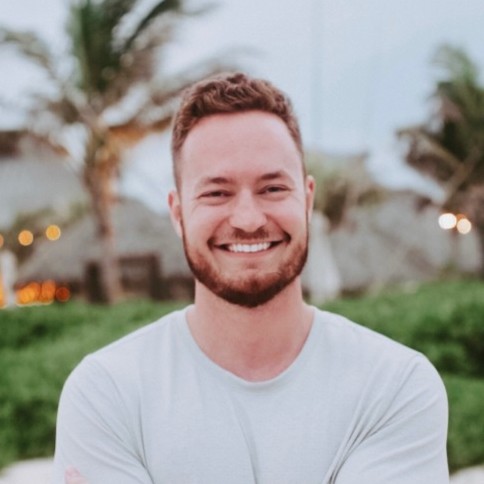
President at Freedom Commercial Real Estate
Zane Schartz is a real estate entrepreneur, investor, and former professional athlete dedicated to creating 100% passive, cash-flowing opportunities for investors while sharing his faith in Jesus Christ. He is the President of Freedom Commercial Real Estate, a private equity firm specializing in institutional-quality assets, and the Founder of Real World Equity, where he leverages tokenization and blockchain technology to revolutionize the real estate investment process.
With a career spanning private equity, commercial acquisitions, and sports ownership, Zane also serves as Partner/Owner of the Allen Americans Professional Hockey Club. Previously, he was Chief Investment Officer at a private equity real estate firm and played professional hockey in the ECHL.
A graduate of Liberty University with a degree in Business, Zane combines his competitive drive from athletics with a disciplined investment philosophy focused on long-term value and reliable returns. His mission is to build a Christ-centered real estate investment firm that empowers investors to achieve financial freedom through passive income.